Fish has always been an essential part of India’s coastal food culture. Long before cold storage, freezers, and modern packaging existed, coastal communities developed effective fish preservation methods to extend shelf life and reduce waste. These traditional techniques were not only practical but also perfectly suited to India’s climate, geography, and local resources. Even today, many of these methods continue to be used, both in households and small-scale industries, proving their lasting value.
This blog explores the most common traditional fish preservation methods used across coastal India, their benefits, and why they are still relevant in modern times.
Why Fish Preservation Was Necessary
Fish is highly perishable. In hot and humid coastal regions, freshly caught fish can spoil within hours if not handled properly. For fishing communities that depended on daily catches for survival and income, preserving excess fish was essential. Preservation helped fishermen store fish for off-season use, transport it to inland areas, and ensure food security during rough weather or fishing bans.
Traditional preservation methods relied on natural elements such as sunlight, salt, air, and fermentation. These techniques required skill and experience, passed down from one generation to the next.
Sun Drying: The Most Widely Used Method
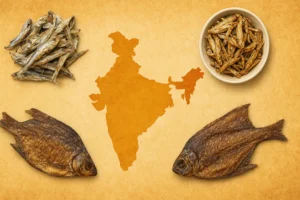
Sun drying is the oldest and most common fish preservation method in India. It is widely practiced in states like Gujarat, Maharashtra, Tamil Nadu, Kerala, Andhra Pradesh, Odisha, and West Bengal.
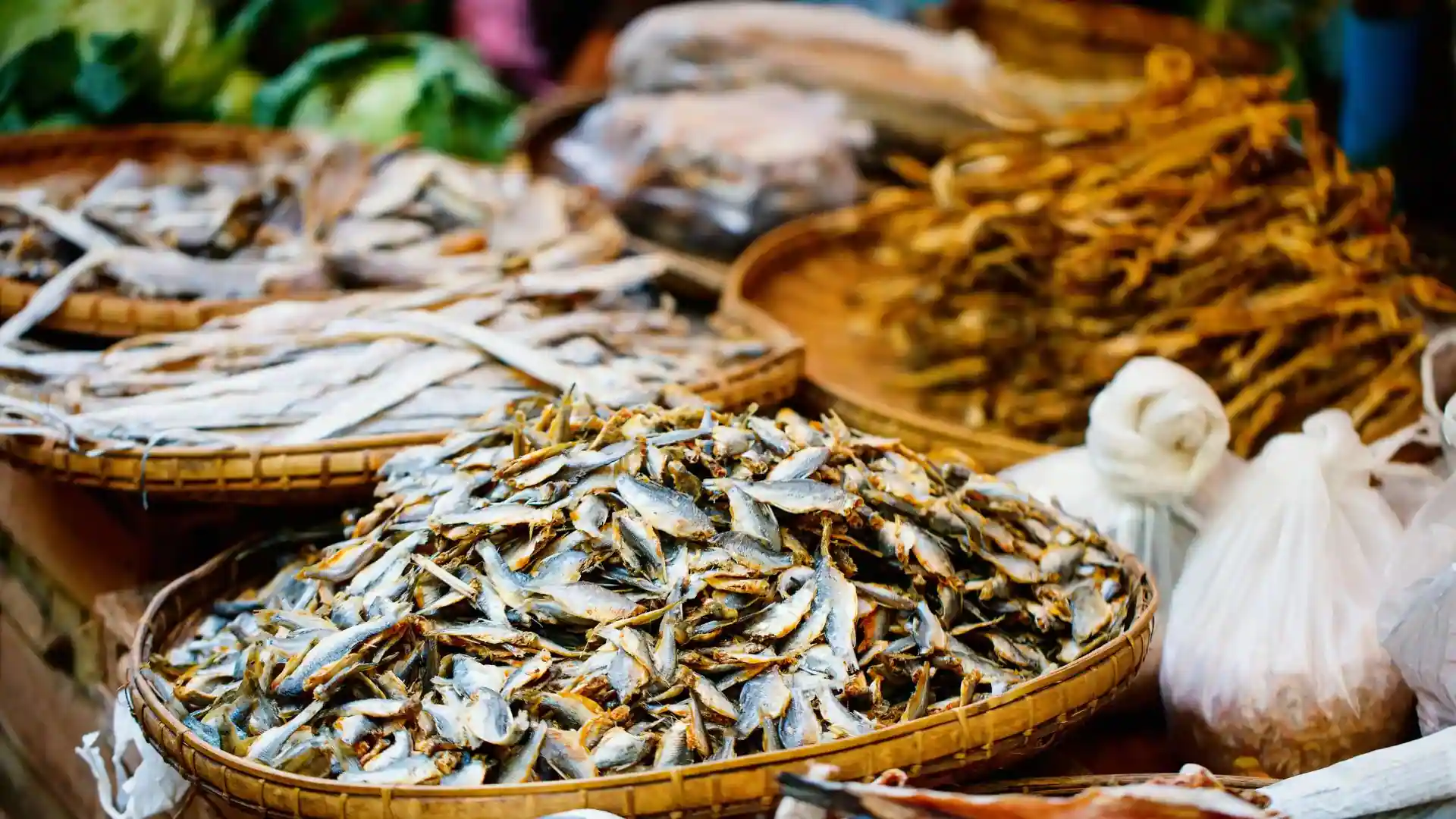
The process begins by cleaning the fish thoroughly and removing internal organs. The fish is then lightly salted and spread on mats, nets, or bamboo racks under direct sunlight. Over several days, moisture evaporates, preventing the growth of bacteria and microorganisms.
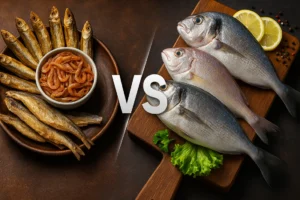
Sun-dried fish has a long shelf life and a concentrated flavor. Small fish such as anchovies, sardines, ribbon fish, and bombil are commonly dried this way. This method requires no electricity, making it cost-effective and environmentally friendly.
However, sun drying depends heavily on weather conditions. Rain, high humidity, or improper handling can affect quality, which is why experienced drying techniques are critical.
Salting: Enhancing Preservation and Flavor
Salting is often used alongside drying or as a standalone preservation method. Salt draws moisture out of the fish, creating an environment where bacteria cannot survive.
In many coastal regions, fish is heavily salted and stored in containers or baskets. Sometimes the salted fish is later sun-dried to further extend its shelf life. This method is especially popular for larger fish that take longer to dry completely.
Salted fish is known for its strong taste and aroma. Before cooking, it is usually washed or soaked in water to reduce excess salt. Salting not only preserves fish but also enhances its flavor, making it a key ingredient in many traditional dishes.
Smoking: Preservation with a Unique Aroma
Fish smoking is a traditional preservation method used in select coastal and tribal regions of India. In this method, fish is exposed to smoke from burning wood or coconut husk. The smoke dehydrates the fish and adds natural preservatives while giving it a distinct smoky flavor.
Smoked fish is often partially dried and then smoked to improve shelf life. This method is especially useful in areas where sunlight is inconsistent or humidity is high.
Apart from preservation, smoking adds a unique taste that cannot be achieved through drying alone. Smoked fish is commonly used in curries, stir-fries, and soups.
Fermentation: Controlled Aging for Strong Flavors
Fermentation is another traditional fish preservation technique, especially popular in eastern and northeastern parts of India. Small fish are cleaned, salted, and stored in containers for weeks or months, allowing natural fermentation to occur.
This method creates fish products with strong aromas and deep umami flavors. Fermented fish is usually used in small quantities to enhance the taste of vegetable dishes, chutneys, and curries.
Although fermentation may not appeal to everyone, it plays an important cultural role and adds nutritional value through beneficial microbes.
Drying with Ash or Sand: A Rare but Effective Technique
In some traditional communities, fish is preserved by burying it in clean sand or ash after salting. This method protects fish from insects and moisture while allowing slow drying. Though less common today, it highlights the creativity and adaptability of traditional preservation practices.
Nutritional Benefits of Traditionally Preserved Fish
Traditional preservation methods retain most of the fish’s nutritional value. Dried and salted fish are rich in protein, calcium, iron, and essential fatty acids. Because water is removed, nutrients become more concentrated.
These preserved fish products have historically been an affordable protein source for coastal and inland populations alike. Even today, dry fish remains a valuable dietary component in many Indian households.
Challenges with Traditional Methods
While traditional fish preservation methods are effective, they also face challenges. Open-air drying can lead to hygiene issues if not handled properly. Exposure to dust, insects, and pollution can affect quality. Inconsistent drying can also lead to spoilage.
Modern improvements such as raised drying racks, food-grade covers, moisture testing, and hygienic packaging are now being introduced to overcome these challenges while keeping traditional techniques intact.
Relevance in Modern Times
Despite advances in refrigeration and cold chains, traditional fish preservation methods remain relevant. They are cost-effective, energy-efficient, and sustainable. With growing demand for natural, chemical-free food products, traditionally preserved fish is gaining renewed interest.
Many entrepreneurs are now blending traditional knowledge with modern packaging and branding, making these products more accessible to urban and global consumers.
Conclusion
Traditional fish preservation methods used across coastal India are a testament to human ingenuity and adaptation. Sun drying, salting, smoking, and fermentation have sustained generations of fishing communities and shaped regional cuisines.
These methods are not outdated practices but living traditions that continue to evolve. As awareness of sustainability and natural food preservation grows, traditional Indian fish preservation stands strong, offering both cultural value and practical benefits for the future.