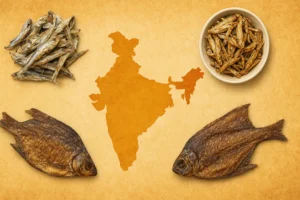
Fish has always held a special place in the Indian diet, especially in coastal and riverine regions. From simple home-cooked meals to traditional festive dishes, fish is valued not only for its taste but also for its powerful nutritional benefits. In recent years, nutrition experts across the world have consistently recommended including fish in regular meals. For Indians looking for a natural, protein-rich, and heart-healthy food option, fish stands out as one of the best choices.
This blog explores the health benefits of eating fish regularly, why it fits perfectly into an Indian diet, and how it supports overall well-being.
Rich Source of High-Quality Protein
Fish is an excellent source of high-quality protein that helps build and repair body tissues. Unlike red meat, fish protein is lighter on the stomach and easier to digest. This makes it suitable for people of all age groups, including children and the elderly.
For Indians who follow a balanced diet with rice, roti, vegetables, and lentils, adding fish provides a complete protein boost without excessive calories. Regular fish consumption helps maintain muscle mass, supports metabolism, and keeps the body energized throughout the day.
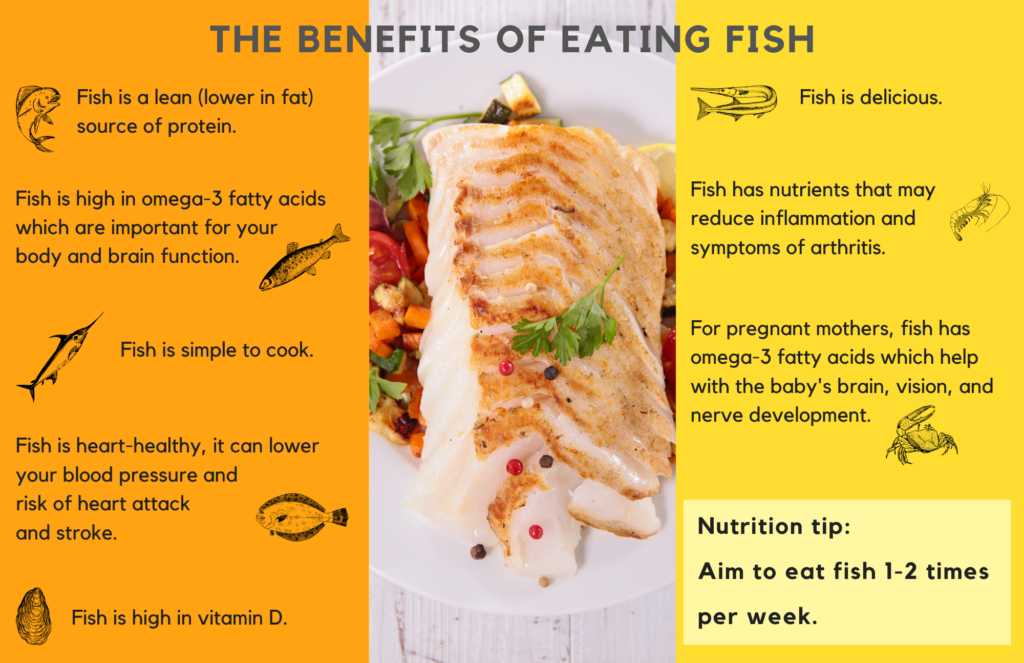
Packed with Omega-3 Fatty Acids
One of the biggest health benefits of eating fish is its high omega-3 fatty acid content. Omega-3s are essential fats that the body cannot produce on its own. Fatty fish such as sardines, mackerel, tuna, and certain river fish are especially rich in omega-3.
Omega-3 fatty acids help reduce inflammation, lower bad cholesterol levels, and improve heart health. Regular intake is linked to a lower risk of heart disease, stroke, and high blood pressure. For people with sedentary lifestyles or stressful work routines, fish can be a natural way to support cardiovascular health.
Supports Brain Health and Mental Well-Being
Fish plays a vital role in brain development and cognitive function. Omega-3 fatty acids are essential for brain cells and nerve communication. Studies have shown that people who eat fish regularly tend to have better memory, focus, and mental clarity.
In an Indian context, where academic pressure and work stress are common, including fish in meals can help support mental well-being. Fish consumption is also associated with a lower risk of depression and anxiety, making it beneficial for emotional health.
Strengthens Bones and Joints
Fish is a good source of calcium, phosphorus, and vitamin D, all of which are essential for strong bones and healthy joints. Small fish that are eaten with bones, as well as dried fish, provide especially high calcium content.
Vitamin D helps the body absorb calcium effectively. Since vitamin D deficiency is common in India despite abundant sunlight, eating fish can help bridge this nutritional gap. Regular consumption supports bone density, reduces the risk of osteoporosis, and improves joint flexibility.
Improves Heart Health Naturally
Heart disease is one of the leading health concerns in India today. Eating fish regularly has been shown to reduce the risk of heart-related problems. Fish helps control triglyceride levels, improves blood circulation, and reduces arterial inflammation.
Replacing fried or processed foods with grilled, steamed, or curry-based fish dishes can significantly improve heart health. Even consuming fish two to three times a week can make a noticeable difference over time.
Boosts Immunity and Overall Health
Fish contains essential vitamins such as vitamin B12, vitamin A, and selenium. These nutrients support immune function, red blood cell formation, and thyroid health. Selenium acts as an antioxidant, protecting the body from cellular damage and infections.
In traditional Indian households, fish soups and light fish curries are often recommended during recovery from illness. This is because fish provides nourishment without burdening digestion, helping the body heal faster.
Helps Maintain Healthy Weight
Fish is naturally low in saturated fat and calories while being rich in protein. This combination helps keep you full for longer, reducing unnecessary snacking and overeating. For people trying to manage weight, fish is an excellent alternative to heavier meat options.
Including fish in a balanced Indian diet with vegetables and whole grains can support healthy weight management without compromising on taste.
Good for Skin, Hair, and Eyes
The nutrients found in fish contribute to healthy skin, strong hair, and good eyesight. Omega-3 fatty acids help maintain skin elasticity, reduce dryness, and slow signs of aging. Vitamin A supports eye health and helps prevent vision-related problems.
Regular fish consumption can lead to naturally glowing skin and stronger hair, making it a beauty food as well as a health food.
Fits Perfectly into Indian Cooking Styles
One of the biggest advantages of fish is its versatility in Indian cuisine. It can be cooked with minimal oil, steamed with spices, grilled, or prepared in traditional curries. From spicy coastal recipes to mild home-style dishes, fish adapts easily to regional flavors.
This flexibility makes it easy to include fish regularly without getting bored or compromising dietary preferences.
Conclusion
Eating fish regularly offers a wide range of health benefits, from improving heart and brain health to strengthening bones and boosting immunity. In an Indian diet, fish provides a perfect balance of nutrition, taste, and digestibility.
Whether you prefer fresh fish or well-prepared dry fish, including fish in your weekly meals is a simple and natural way to support long-term health. With its rich nutritional profile and cultural acceptance, fish truly deserves its place as a staple in a healthy Indian lifestyle.