Dry fish, also known as dried seafood, has been a part of Indian food culture for centuries. Long before refrigeration existed, coastal communities across India developed the art of drying fish to preserve it for months. What began as a survival technique slowly became a culinary tradition, deeply rooted in regional identity, taste preferences, and local economies. Today, Indian dry fish is no longer limited to fishing villages. It has found its way into urban kitchens, restaurants, and even international markets.
A Tradition Born from the Coast
India has a long coastline stretching over 7,500 kilometers, touching states like Gujarat, Maharashtra, Goa, Kerala, Tamil Nadu, Andhra Pradesh, Odisha, and West Bengal. In these regions, fishing has always been more than just an occupation. It is a way of life. When fishermen returned with excess catch, drying the fish under the sun was the most practical solution.
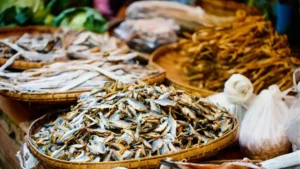
The process is simple but skill-driven. Fresh fish are cleaned, salted, and laid out on mats or nets under direct sunlight. Over several days, moisture slowly evaporates, transforming the fish into a shelf-stable food packed with intense flavor. Each coastal belt has its own drying techniques, salt ratios, and preferred fish varieties, giving Indian dry fish its wide diversity.
Popular Types of Indian Dry Fish
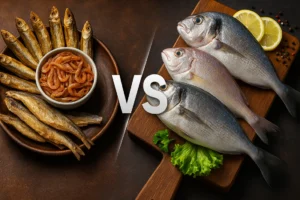
India produces a large variety of dry fish, each with a distinct taste, aroma, and use. Small fish like anchovies, sardines, and ribbon fish are commonly dried because they dry faster and absorb salt evenly. Larger fish such as pomfret, shark, and bombil are also dried in some regions, often cut into strips.
In western India, especially Maharashtra and Gujarat, bombil dry fish is extremely popular. In the south, dried anchovies and dried tuna are commonly used in spicy curries and stir-fries. Eastern India favors dried small fish cooked with vegetables or lentils. Despite regional differences, one thing remains constant: dry fish is known for its bold flavor and strong aroma, which true lovers consider its biggest strength.
Nutritional Value and Health Benefits
Dry fish is not just about taste. It is also highly nutritious. Since the drying process removes water but retains most nutrients, dry fish becomes a concentrated source of protein. It is rich in omega-3 fatty acids, which support heart health and brain function. Dry fish also contains calcium, iron, and essential minerals, making it especially valuable in regions where fresh fish is not always affordable or available.
However, moderation is important. Because dry fish is preserved using salt, excessive consumption may increase sodium intake. When consumed in balanced portions and cooked properly, it can be a healthy addition to a protein-rich diet.
Dry Fish in Indian Cooking
Indian cuisine uses dry fish in creative and flavorful ways. Unlike fresh fish, dry fish is rarely eaten on its own. It is usually soaked, lightly washed, and cooked with spices to balance its intensity.
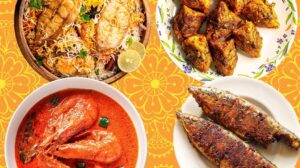
In Maharashtra, dry fish chutney is a staple, often eaten with bhakri or rice. In Kerala, dried fish is cooked with coconut, red chilies, and tamarind. In Andhra Pradesh and Telangana, dry fish fry with onions and green chilies is a popular comfort food. In the northeast and eastern India, dried fish is used to add depth to vegetable dishes and dals.
What makes dry fish special is that a small quantity can flavor an entire dish. This makes it economical and efficient, especially for large families.
Economic Importance and Livelihood
Dry fish plays a major role in the coastal economy. For many small-scale fishermen and women entrepreneurs, drying fish is a key source of income. Women are especially involved in cleaning, salting, drying, and selling dry fish in local markets.
Dry fish trading also supports transporters, wholesalers, and retailers. In recent years, with better packaging and logistics, dry fish is being shipped from coastal regions to inland cities and even exported abroad. This has opened new income opportunities and revived interest in traditional seafood preservation.
Challenges in the Dry Fish Industry
Despite its importance, the dry fish sector faces several challenges. Traditional open-air drying depends heavily on weather conditions. Unexpected rain or high humidity can spoil entire batches. Hygiene is another concern, as drying in open spaces exposes fish to dust, insects, and contamination.
Another challenge is perception. Many urban consumers associate dry fish with strong smell or poor quality, mainly due to improper handling and packaging. This perception is slowly changing as cleaner processing methods, vacuum packing, and branded products enter the market.
The Rise of Modern Dry Fish Brands
In recent years, Indian dry fish has started to get a modern makeover. Entrepreneurs are focusing on hygienic processing, moisture control, and odor-managed packaging. Ready-to-eat dry fish snacks, powdered dry fish for cooking, and neatly labeled jars are becoming popular.
Online platforms and social media have also played a big role. Customers can now order dry fish from coastal regions directly, ensuring freshness and authenticity. This shift is helping traditional products reach new audiences while maintaining their original taste.
A Tradition That Continues to Evolve
Indian dry fish is a perfect example of how tradition and practicality can create something timeless. What started as a preservation method has become a culinary identity and an economic pillar for coastal communities. As awareness grows and quality improves, dry fish is shedding its old image and finding a respected place in modern kitchens.